
Have you ever needed a simple, reliable replacement remote for an older Craftsman opener without dealing with smart features or app setups?

Buy Craftsman Sears Remote Garage Door Opener 53778 On Amazon
Product snapshot: Craftsman Sears Remote Garage Door Opener 53778
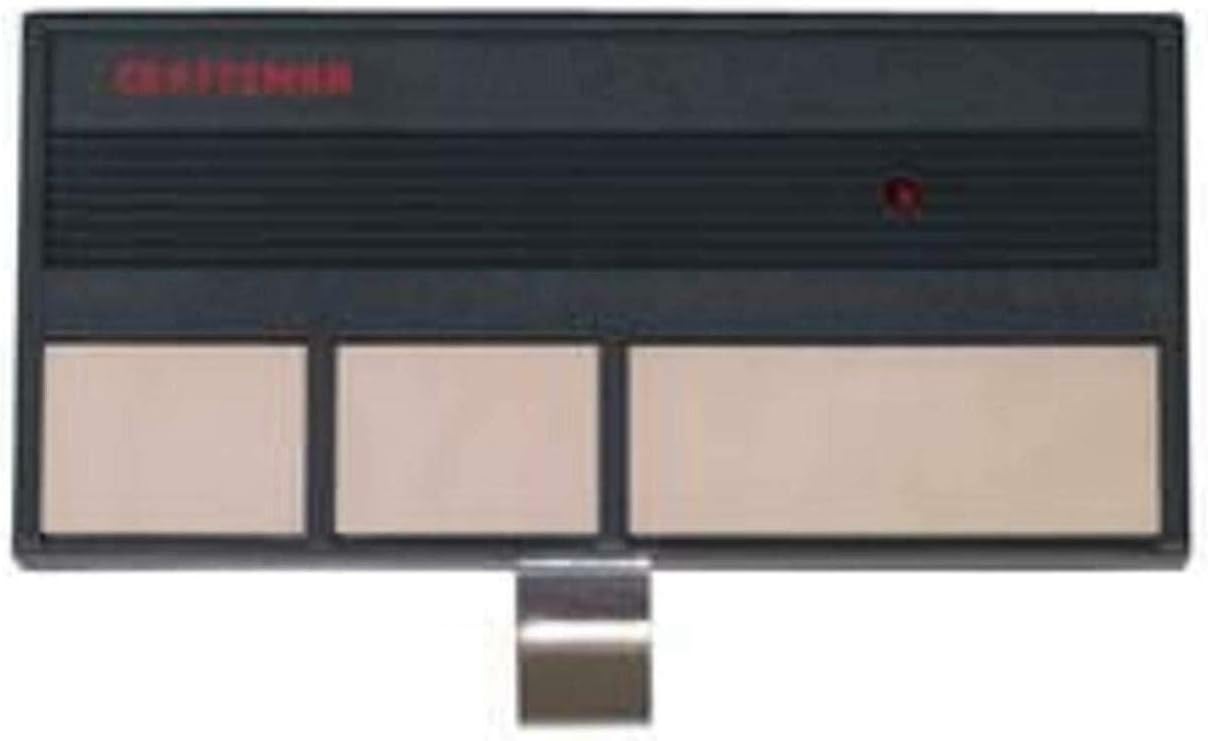
You’re looking at a remote designed specifically for older Craftsman and Sears openers that use DIP-switch technology. It’s aimed at people who have legacy systems made prior to 1992 and want a straightforward remote that matches older remotes with a red light and a white button.
What this remote is and isn’t
This remote is a basic transmitter that communicates via fixed DIP-switch codes rather than modern rolling codes. It is not compatible with newer “smart” or “learn” button openers, so you shouldn’t expect it to work with modern security protocols or smartphone integration.
Craftsman Sears Remote Garage Door Opener 53778
$137.77 Only 5 left in stock - order soon.
Compatibility details
You’ll want to be sure your opener matches the remote’s requirements before buying, because compatibility is the most important factor here. This unit is specifically for garage door openers manufactured prior to 1992 that use DIP-switch programming and the older red light / white button style remotes.
Which openers it supports
If your opener uses physical DIP switches to set a code inside the wall unit and the remote has a red light and white button style like older Craftsman units, this remote will usually work. If your opener has a “learn” button or shows evidence of rolling code technology (usually a yellow, red, purple or orange learn/program button or a labeling indicating “rolling code”), this remote will not be compatible.
Which openers it does not support
You should not expect this remote to work with openers that were made after the adoption of rolling code security and “learn” buttons became standard — generally units made after 1992. It also won’t work with integrated “smart” systems that use radio-frequency encryption and app-based control.
Key features at a glance
You want to know the essentials quickly, so here are the primary features and limitations laid out clearly. This will help you decide if the remote meets your needs before you dig into installation or troubleshooting.
| Feature | Details |
|---|---|
| Compatibility | For Craftsman/Sears openers made prior to 1992 using DIP-switch technology |
| Buttons / Indicator | Single-button transmitter; red light indicator on remote |
| Programming Style | Manual DIP-switch pattern matching |
| Range | Improved range compared to some older stock remotes (varies by environment) |
| Security | Fixed-code (DIP-switch); less secure than modern rolling-code remotes |
| Not Compatible With | Openers with “learn” or “smart” button (rolling code systems) |
| Ease of Use | Simple one-button operation; straightforward programming for DIP-switch systems |
Purchase The Craftsman Sears Remote Garage Door Opener 53778 — Amazon
Installation and programming
You’ll find this remote straightforward to install if your opener uses DIP switches. The programming process is manual, and you’ll mainly be matching switch positions between the remote and the opener or the existing remote.
Step-by-step programming overview
Start by opening your existing remote (or the opener’s transmitter housing) to locate the DIP switches and note the on/off pattern. Set the DIP switches inside the replacement remote to mirror the same on/off pattern exactly, then test the remote at the opener to confirm operation.
Detailed instructions you can follow
- Remove battery cover and/or housing of the existing transmitter and the new remote to reveal DIP-switch banks.
- Carefully copy each switch position (up/down or on/off) from the existing remote or opener board to the new remote. Use a pen or small screwdriver if needed.
- Reassemble the remotes and test close to the opener first. If it doesn’t work, double-check each switch position and ensure the remote battery is fresh.
- Once it works at close range, test from various distances to confirm functionality.
These steps are simple but require attention to match each switch position precisely.
Range and performance
You want reliable range for everyday use, and older DIP-switch remotes vary based on antenna design and environmental factors. This unit advertises greater distances than some older stock remotes, but actual range will depend on the layout of your garage, nearby interference, and placement of the opener.
Real-world range considerations
Metal structures, thick walls, or radio interference from other devices can reduce effective range, so you shouldn’t assume open-field performance indoors. If you notice weak range, try repositioning the opener’s antenna or testing the remote closer to the opener to isolate whether the remote or the environment is the limiting factor.
Signal reliability and consistency
DIP-switch remotes provide a steady signal as long as the switches and battery are in good condition, because there’s no rolling code negotiation to fail. That consistency can be a practical advantage for you if you prefer predictable operation and you don’t need modern security features.
Security and safety implications
You care about safety and security, especially with garage access devices. Fixed-code remotes like this one are inherently less secure than rolling-code (learn button) systems because the code doesn’t change each time you use it.
What fixed-code means for security
Because the code is fixed, someone who intercepts the radio signal or clones the DIP-switch pattern could theoretically open the door. This is why modern systems moved to rolling codes. If you have valuables or live in a high-risk area, you may want to consider upgrading to a rolling-code opener in the future.
Safety features to confirm on your opener
Make sure your garage door opener still has required safety features such as automatic reversal sensors and photo-eye detection. The remote controls the opener, but door safety depends on the physical opener mechanisms and sensors — check those regularly to keep your family and property safe.
Troubleshooting common issues
You’ll likely encounter a few predictable issues with older technology, and most problems can be resolved with some methodical checks. Below is a table summarizing common problems and straightforward fixes.
| Symptom | Possible Cause | What you should do |
|---|---|---|
| Remote won’t operate the door | DIP-switch settings don’t match | Re-open both units and verify every switch position matches exactly |
| Remote works only at very close range | Weak battery or obstruction/interference | Replace battery, test near opener, move antenna if possible |
| Intermittent operation | Loose remote battery contacts or damaged switches | Inspect battery contacts, ensure switches are seated and not broken |
| Remote operates other nearby opener (cross-talk) | Identical DIP-switch pattern used by neighbors | Change DIP-switch pattern on both remote and your opener to a unique combination |
| Remote died unexpectedly | Battery depletion or internal fault | Replace battery and retest; if still dead, remote may be defective |
Battery and maintenance tips
Always start with the simplest solutions: check and replace the battery first if the remote is weak or dead. Keep the remote clean and dry, and avoid dropping it onto hard surfaces which might misalign switches or damage internal components.
When to seek professional help
If you’ve verified DIP switches, replaced the battery, and still can’t get the remote to operate the opener, your opener’s receiver board or the remote itself may be faulty. In that case, contacting a qualified garage door technician or the manufacturer’s service line is a good next step.
Comparison with modern remotes and openers
You’re probably weighing whether to keep an older remote or upgrade to a modern system, so it helps to compare key differences. Modern openers use rolling codes, offer smartphone integration, and provide better security at the expense of simplicity and compatibility with older remotes.
Advantages of this DIP-switch remote
You’ll appreciate the simplicity, low cost, and straightforward replacement process if you use an older Craftsman/Sears opener. It’s a great quick fix when you only need to replace a lost or broken remote and don’t want to replace the entire opener system.
Drawbacks compared to modern options
If you want app control, remote auditing, or higher security, you’ll find this remote lacking because it uses fixed codes. For long-term security and convenience, upgrading to a newer rolling-code opener with “learn” button programming and smartphone features might be a better investment.
Pros and cons summary
You’ll find this clear pros/cons breakdown useful for a fast decision. The remote fits a specific niche: legacy systems and users who prefer basic, reliable remotes without modern bells and whistles.
Pros
- Easy to program for DIP-switch systems by matching switch positions.
- Generally lower cost than modern remotes and replacement openers.
- Simple one-button operation that’s intuitive for most users.
Cons
- Fixed-code (DIP-switch) technology is less secure than rolling-code systems.
- Not compatible with openers that use “learn” buttons or smart features.
- Limited features — no multi-button control, no app integration, and fewer safety enhancements.
Who should buy this remote
If your opener is from the pre-1992 era and still works fine otherwise, this remote is a practical replacement for a lost or broken transmitter. You should buy this if you prefer a no-frills solution, have no interest in smartphone integration, and accept the lower security level of fixed codes.
Who should avoid it
If you use a modern opener with a “learn” button, or you want remote access and rolling-code security, you should avoid this remote and consider a modern replacement remote or a complete opener upgrade. Also avoid this remote if you prioritize advanced features such as multiple buttons for myQ or HomeLink integration.
Practical tips for better performance
You can improve the reliability of the remote with small adjustments around the opener and in daily habits. Here are actionable tips you can apply right away.
Simple adjustments to improve range
Mount the opener’s antenna in a downward and unobstructed position, and avoid running the antenna near power cables or metal objects. Replace the remote’s battery periodically and avoid storing the remote in pockets with other metal objects that might cause interference.
Avoiding interference
If you suspect radio interference, test the remote at different times of day to see if performance varies. Temporarily disable or move nearby devices that produce RF noise (older baby monitors, cordless phones, or certain LED lighting) to see if performance improves.
Longevity and maintenance
You’ll want the remote to last as long as possible, and regular care will help extend its life. Keep it in a dry place, swap batteries yearly if you use it frequently, and avoid exposing the remote to extreme temperatures.
Routine checks you can perform
Open the battery compartment occasionally and check for corrosion, and inspect the remote’s housing for cracks that could allow moisture to enter. If you find grime in the battery contacts, clean them gently with a pencil eraser or a cotton swab with isopropyl alcohol.
When to replace instead of repair
If the remote’s buttons stop functioning despite a new battery and clean contacts, or if the DIP-switches are physically damaged or missing, replacement is usually more cost-effective than repair. Given the low cost of many replacement remotes, you’ll often find swapping to a new unit easier than attempting repairs.
Buying advice and what to check before purchase
Before you commit to buying the Craftsman Sears Remote Garage Door Opener 53778, verify a few things so you don’t end up with an incompatible device. Checking the model and the presence of DIP-switches on your opener is the most critical step.
What to verify on your opener
Open the motor housing or an existing remote to confirm you have visible DIP switches or that your remote has the old-style red light and white button. Also confirm your opener doesn’t have a “learn” or “smart” button — if it does, this remote will not be compatible.
Additional purchase considerations
Buy from a reputable retailer or seller who offers a clear return policy, because compatibility issues are the most common reason for returns with legacy remotes. Keep your proof of purchase and check the warranty terms in case the remote arrives defective.
Frequently asked questions (FAQ)
You’ll probably have some questions about programming, compatibility, and performance. Here are concise answers to common concerns.
Can I program this remote to multiple doors?
Yes, if each opener uses a different DIP-switch pattern you can set the remote to match different openers, but you’ll need a separate remote or multi-button remote to control multiple openers from the same transmitter. This particular replacement is typically single-button, so multi-opener setups may require a different remote model.
What if my remote still doesn’t work after programming?
Double-check the DIP-switch pattern for exact matching and ensure the battery is fresh. If both are correct and it still fails, inspect the opener’s receiver for corrosion, damage, or a failed receiver module that might require professional service.
Is the range really better than the original remote?
The advertised greater distance is relative — many users find range is improved, but your environment, battery condition, and the opener’s antenna setup will largely determine real-world range. Don’t expect miraculous improvements if your opener’s antenna or surroundings limit signal strength.
Will this remote work with HomeLink in my car?
If your car’s HomeLink system is programmed for a rolling-code opener, it might not match this fixed-code remote. You can often program HomeLink to work with fixed-code remotes, but you should consult your car’s HomeLink instructions for the exact process.
Final thoughts and recommendation
You want a practical solution that fits your existing setup without unnecessary expense or extra tech. If you have a pre-1992 Craftsman or Sears opener that uses DIP-switch technology, the Craftsman Sears Remote Garage Door Opener 53778 is a sensible and budget-friendly replacement that restores simple, reliable operation.
When it makes sense to buy
Buy this remote if you’re satisfied with your older opener’s mechanical safety features and you only need a straightforward replacement transmitter that uses DIP-switch matching. It’s a cost-effective way to restore access without replacing the entire opener.
When to consider upgrading instead
If security, remote monitoring, or smartphone access matters to you, consider budgeting for a rolling-code opener or a modern replacement remote and gateway system. Upgrading will provide better security and modern conveniences, although it requires more expense and installation effort.
If you want, you can tell me the model number or show a photo of your existing remote or opener, and I can help you confirm compatibility and walk you through exact programming steps.
Get The Craftsman 53778 Garage Door Opener On Amazon
Disclosure: As an Amazon Associate, I earn from qualifying purchases.