
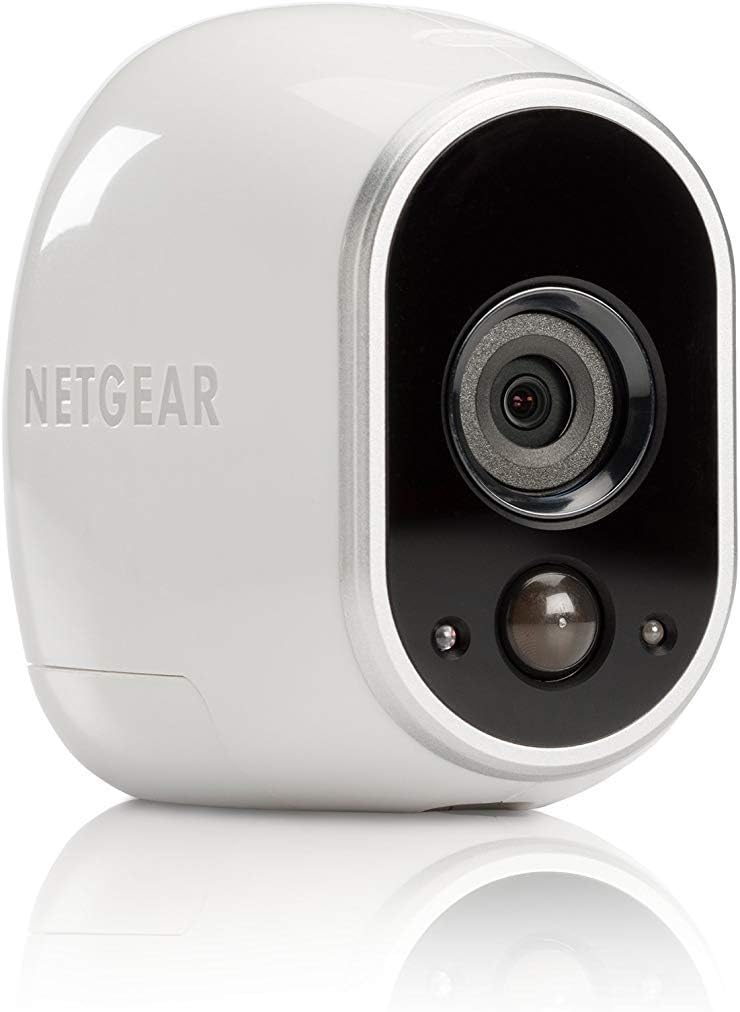
Want a wireless camera system that lets you monitor your home from anywhere with simple setup and reliable motion alerts?
Buy Arlo Wireless Home Security Camera System On Amazon
Product overview: Arlo – Wireless Home Security Camera System with Motion Detection | Night vision, Indoor/Outdoor, HD Video, Wall Mount | Cloud Storage Included | 4 camera kit (VMS3430)
You’ll find this 4-camera Arlo kit is designed to be easy to install, flexible in placement, and straightforward to use. It’s the standard Arlo system (not the Arlo Pro line), offering a 100 percent wire-free design, night vision, motion-triggered recording, and seven days of free rolling cloud storage. If you want to cut cords and place cameras where they’re most effective, this kit is built for that.
What you should expect from this model
You’ll get weather-resistant cameras that work both indoors and outdoors, a wireless range of more than 300 feet line-of-sight, and a battery life the manufacturer estimates at 4 to 6 months per battery depending on use. You’ll also be able to view live feeds via the app or with voice commands if you have Alexa or compatible smart displays. The system supports integrations like IFTTT and Samsung SmartThings, and you can opt into Arlo Smart for advanced AI features.

Arlo - Wireless Home Security Camera System with Motion Detection | Night vision, Indoor/Outdoor, HD Video, Wall Mount | Cloud Storage Included | 4 camera kit (VMS3430)
What’s included and what it means for you
You’ll get four standard Arlo cameras, mounting hardware and a hub/base station (depending on the package variant), plus instructions for setup. These cameras are wall-mountable and come with batteries (lithium) pre-installed. Because the design is fully wireless, you won’t have to run power cables to each camera location, but you will want to plan where you’ll replace or recharge batteries.
Items typically in the box
You should find mounting kits, the cameras themselves, the base station (if included with your kit), and the usual paperwork. Double-check that you received the base station if your kit requires one, as some Arlo bundles include it separately.
Quick specification table
This table breaks down the essential specs so you can compare the core features at a glance.
| Feature | Specification | Notes for you |
|---|---|---|
| Cameras included | 4 standard Arlo cameras | Wire-free design; not Arlo Pro |
| Video | HD video (as advertised) | View live and recorded clips via app or web |
| Night vision | Yes | Infrared night vision works in complete darkness |
| Motion detection | Motion-activated recording & alerts | App/email notifications; records only on motion |
| Cloud storage | 7 days free rolling cloud storage | Included; Arlo Smart available for advanced features |
| Battery | Lithium batteries | Estimated 4–6 months battery life depending on use |
| Weather resistance | Indoor/outdoor rated | Suitable for most climates; check extreme conditions |
| Wireless range | 300+ ft line-of-sight | Actual range will vary by environment |
| Smart home integration | Alexa, Echo Show, Fire TV, Google Assistant, IFTTT, SmartThings | Alexa device sold separately for voice controls |
| Mounting | Wall mount included | Flexible placement without wiring |
Design and build: What you’ll notice
You’ll appreciate how compact and unobtrusive the cameras are. The patented 100 percent wire-free design is the headline feature—you can mount the cameras high on a wall or tuck them under eaves without running cables. The white, low-profile housings blend into many home exteriors and interiors, and the included mounts give you several angle options.
Durability and weather resistance
You’ll find the cameras are rated for indoor/outdoor use, which means they’re built to handle rain and dust typical of household environments. However, if you live in an area with extreme temperatures or intense storms, you’ll want to position cameras under protection or check Arlo’s official climate specs for the model.
Video quality and night vision: Can you rely on the footage?
The system provides HD-quality footage as advertised, giving you enough clarity for general monitoring—recognizing people, vehicles, and activity near your property. Night vision uses infrared LEDs, so you can still get usable footage in complete darkness, although color video won’t be available at night.
What to expect in different lighting conditions
During daylight, you’ll get crisp, clear footage for typical home security needs. At night, infrared kicks in and the cameras switch to monochrome video—still effective for detection and identification but not as detailed as daytime color. If you need detailed facial recognition at long distances after dark, you may want to supplement with additional lighting.
Purchase Arlo Wireless Home Security Camera System
Motion detection and notifications: How responsive will it be?
You’ll get motion-activated recording and instant alerts via email or the Arlo app when motion is detected. This means the system isn’t continuously recording, which conserves battery life and cloud storage. The motion detection is reliable for typical movements, but like any system it will pick up non-threatening motion (cars, branches, shadows) unless you fine-tune the settings.
Fine-tuning motion settings to reduce false alerts
You should use sensitivity controls and placement strategies to reduce false positives. Position cameras away from busy streets or moving branches, and set activity zones (if supported) to focus detection on important areas like doors or driveways. If you subscribe to Arlo Smart, you can get person detection and more specific alerts to reduce irrelevant notifications.
Battery life and power management: What you need to plan for
You’ll likely get 4 to 6 months of battery life per camera under moderate use, according to Arlo. Heavy use—frequent motion events, lots of live view sessions, or continuous recording—will shorten this lifespan. Batteries are removable and use lithium chemistry, so you can swap them rather than rewiring.
Tips to maximize battery life
- Lower the recording quality or reduce the frequency of live view sessions.
- Optimize motion sensitivity and zones so the camera only records when relevant.
- Use scheduled arming/disarming to prevent needless recordings during times you’re home.
- Consider extra batteries or a solar panel accessory (if compatible) to keep cameras powered longer.
Storage, cloud features and Arlo Smart: How recordings are handled
You’ll get seven days of rolling cloud storage included with the system, which means the most recent 7 days of motion-triggered videos are kept in Arlo’s cloud. If you want longer retention, advanced AI features, or object-specific detection (like people), Arlo Smart is an optional subscription that adds those capabilities and usually includes a trial.
Pros and cons of cloud storage vs local storage
Cloud storage is convenient and ensures recordings aren’t lost if a camera is stolen, but it requires a subscription for more days of storage. Some Arlo kits support local storage via the base station, so check your package if you want on-site backups. You should also consider bandwidth limits if you have many cameras recording often.
Smart home integration: How it works with your ecosystem
You’ll be able to view live video using Alexa-enabled devices (Echo Show, Fire TV) or Google Assistant compatible devices, letting you ask for a quick peek with voice commands. Integration with IFTTT and SmartThings means you can create routines and automations—like turning on lights when motion is detected.
Voice control and automation tips
To use voice features, you’ll need an Alexa or Google Assistant device (sold separately). Link the Arlo skill in the Alexa app or the Arlo service in Google Home, then authorize and assign your cameras. You can then say commands like “Alexa, show the front porch camera” to pull up the live feed on a compatible display.
Installation and setup: How simple is it for you?
You’ll find setup is largely app-driven. Download the Arlo app (iOS/Android), create an account, and follow prompts to connect the base station and pair cameras. Because the cameras are wireless, you can mount them where they’re most effective without needing to run wiring.
Step-by-step tips for smoother setup
- Charge or verify batteries are installed before mounting cameras.
- Start with one camera to confirm connection and settings, then add the rest.
- Place the base station in a central indoor location for best signal.
- Test motion detection and live view at your chosen mounting points before finalizing mounting hardware.
Placement strategies: Where you should put these cameras
You’ll want to prioritize entrances, driveways, and other points of interest where activity typically happens. Mount cameras 7–10 feet high for a balance of field of view and tamper resistance. Avoid pointing cameras directly at reflective surfaces or strong light sources to minimize glare and false motion triggers.
Indoor vs outdoor considerations
Indoors, you can use cameras to monitor main entryways, nurseries, or common areas. Outdoors, focus on doorways, garages, and yard perimeters. If you place a camera in a location with direct sunlight or facing headlights, adjust angles and motion sensitivity accordingly.
Performance in real-world conditions: Reliability and limitations
You’ll generally find the cameras reliable for most home security tasks—catching packages, seeing visitors, or scaring off intruders. However, environmental factors like extreme weather, dense walls, or crowded Wi-Fi networks can affect reliability. In busy urban areas you might experience more false activations if cameras aren’t positioned correctly.
Handling challenging scenarios
If you have a large property or many obstructions, consider adding a bridge/extra base station or using Wi-Fi extenders to maintain stable connections. For cold climates, battery performance may drop, so plan for more frequent battery checks or alternative power options.
Comparison note: This vs Arlo Pro
You should know this kit is the standard Arlo camera; Arlo Pro is a separate product line with different features (such as rechargeable batteries, better audio, or enhanced resolution depending on model). If you specifically want the Pro-level features, check the Pro models before buying this standard kit.
When to choose the standard Arlo over Arlo Pro
Choose the standard Arlo if you want a straightforward, wire-free solution at a lower cost and you’re okay with removable batteries and the feature set here. Opt for Arlo Pro if you need rechargeable batteries in-camera, built-in sirens, or different video specs—though features vary by specific Pro model.
Pros and cons: Quick summary for decision-making
You’ll find a balanced set of advantages and a few trade-offs to weigh before purchasing.
Pros:
- Truly wire-free placement—no power cables to run.
- Easy app-driven setup and use.
- Night vision that works in total darkness.
- 7 days of free rolling cloud storage included.
- Good smart home integration (Alexa, Google, IFTTT, SmartThings).
- Weather-resistant for indoor and outdoor use.
Cons:
- Batteries need periodic replacement or swapping (4–6 months estimated).
- Cloud storage beyond 7 days or advanced AI features require a subscription.
- Standard Arlo model may lack some Pro features (rechargeable in-camera batteries, certain advanced functions).
- Actual wireless range and performance subject to your environment.
Price and value: Is it worth what you’ll pay?
You’ll often see multi-camera kits like this priced competitively compared to professional wired systems. The value comes from convenience—no electrician, flexible placement, and integrated cloud storage to get you started. If you need longer storage, advanced AI detection, or continuous recording, you’ll factor subscription or extra hardware costs into your decision.
Calculating your total cost of ownership
When you budget, include potential costs for extra batteries, any Arlo Smart subscription you want, replacement mounts, or optional accessories like solar panels. Over time, subscription fees and battery replacements will be ongoing costs to consider.
Troubleshooting and common user tips
If you run into problems, you’ll typically fix them with a few simple checks: confirm battery charge, verify the base station is connected to your router, and ensure cameras are within reasonable wireless range. Firmware updates via the app often resolve minor performance issues.
Step-by-step troubleshooting checklist
- Check battery level in the app.
- Reboot or relocate the base station closer to problematic cameras.
- Update firmware in the Arlo app.
- Re-pair the camera to the base station if connection drops persist.
- Reduce interference from other wireless devices or thick walls.
Privacy and security considerations
You’ll want to secure your Arlo account with a strong password and enable two-factor authentication if available. Remember that cloud storage means your clips are stored off-site, so check privacy policies and configure sharing carefully.
Best practices for protecting your footage
- Use unique, strong passwords and two-factor authentication.
- Limit sharing of camera feeds and be cautious when giving access to third parties.
- Regularly review the footage storage settings and delete clips you don’t need.
- Keep firmware up to date to reduce security vulnerabilities.
Who this system is best for
You’ll find this Arlo kit ideal if you want a flexible, wire-free camera system that’s easy to install and integrates with smart home devices. It’s well-suited for homeowners, renters, and small business owners who want basic but reliable video monitoring without professional installation.
Who might want a different setup
If you need 24/7 continuous recording, advanced analytics out-of-the-box, or rechargeable in-camera batteries without swapping, consider higher-end Arlo Pro models or wired systems depending on your needs.
Practical tips for getting the most out of your Arlo cameras
- Rotate storage strategy: download important clips regularly if you want long-term archival.
- Keep spare batteries on hand if you can’t access cameras easily.
- Use motion scheduling to avoid unnecessary alerts during predictable active times.
- Use mounting height and angles to reduce false activations and improve identification.
Final verdict: Should you buy this Arlo kit?
If you want a wire-free, weather-resistant camera kit that covers multiple vantage points, is easy to set up, and integrates with popular smart home systems, you’ll likely be happy with the Arlo – Wireless Home Security Camera System with Motion Detection | Night vision, Indoor/Outdoor, HD Video, Wall Mount | Cloud Storage Included | 4 camera kit (VMS3430). It balances convenience and capability for most typical home security needs. However, if you prioritize rechargeable cameras, longer included storage, or professional-grade analytics without a subscription, consider comparing Pro models or other alternatives.
Frequently asked questions (FAQ)
Q: How long do the batteries last?
A: You’ll typically see 4–6 months of battery life per camera under moderate usage. Heavy use shortens this.
Q: Is the cloud storage free?
A: You’ll get 7 days of free rolling cloud storage. For longer retention or advanced features, Arlo Smart is an optional subscription.
Q: Can I view the cameras with voice commands?
A: Yes. You can view live video using Alexa-enabled devices, Echo Show, Fire TV, and Google Assistant devices, but you’ll need the compatible voice device separately.
Q: Are the cameras truly wireless?
A: Yes. The cameras are 100 percent wire-free for placement flexibility. Batteries are removable to recharge or swap.
Q: Is this the Arlo Pro?
A: No. This is the standard Arlo camera kit. Arlo Pro is a separate line with different features.
Q: Will these work outdoors in bad weather?
A: They’re weather-resistant and intended for outdoor use in typical conditions. For extreme climates, check the official specs and position cameras under some cover if needed.
Q: What kind of video quality should I expect?
A: The cameras provide HD video as advertised—suitable for general home monitoring. Night vision works in full darkness in black-and-white mode.
Q: Can I store video locally?
A: Some Arlo setups support local storage via a base station, depending on the package. Check your specific kit or add a compatible base that supports local storage.
If you want, you can tell me your main security priorities (continuous recording, longest battery life, advanced person detection) and I’ll help you decide if this Arlo kit fits or recommend alternatives that better match your needs.
Shop Arlo Wireless Home Security System — Amazon
Disclosure: As an Amazon Associate, I earn from qualifying purchases.