
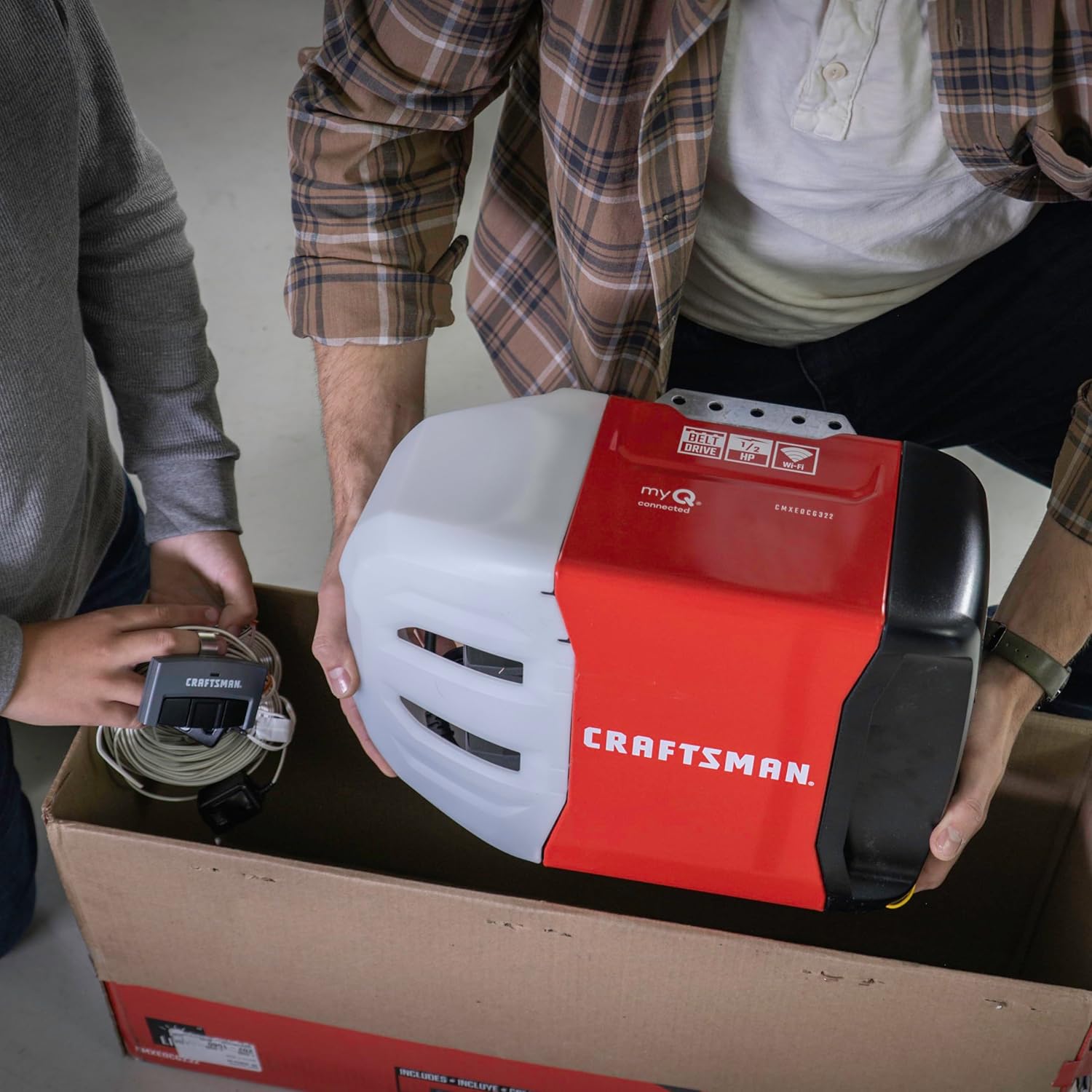
Looking for a smart, quiet, and reliable garage door opener that fits an attached garage and connects to your phone?

Buy The CRAFTSMAN 1/2-HP Smart Belt Drive Garage Door Opener On Amazon
CRAFTSMAN 1/2-HP Smart Belt Drive Garage Door Opener Wi-fi Compatibility — quick snapshot
You’ll get a compact, belt-drive opener designed for smooth, quiet operation and basic smart features. It’s a 1/2 HP unit made to lift a standard 7-foot garage door and includes built-in Wi‑Fi, Bluetooth setup, a wall control, and a 3-button remote.
Key features overview
You should know the main features at a glance before installing or buying. This section highlights the things you’ll interact with most: smartphone control via the myQ app, a quiet belt drive, integrated Bluetooth, Security+2.0 rolling code, and safety reversing sensors.
Smartphone control (myQ)
You can monitor and control your garage door using the myQ app from anywhere with internet access. That means you can open the door for a delivery, check whether you left it closed, or receive notifications when it operates.
Belt drive mechanism
The belt is made from top-grade flexible materials so the opener moves smoothly and quietly. If your garage is attached to your house or you value low noise output during operation, this drive type is well suited to your needs.
Lift power and capacity
This opener is rated at 1/2 horsepower and is intended to handle a standard 7-foot door. If you have a heavier-than-average or taller door, you’ll want to confirm weight and balance requirements before relying on this model.
Integrated Bluetooth and Wi‑Fi
Bluetooth integration makes it faster and easier to set up the device with the myQ app during initial installation. Built-in Wi‑Fi gives you remote access without needing an additional accessory.
Wall control and remote
A standard single-button doorbell-style wall control is included so you can open and close the door and turn on lights from inside the garage. Also included is a 3-button remote that can program up to three openers and offers a claimed range up to 1,500 feet for convenient entry and exit.
Security and safety
Security+2.0 rolling code encryption changes the access code every time you press the remote, which protects against remote cloning. Safety reversing sensors create an invisible beam across the door opening so the door will automatically stop and reverse if the beam is interrupted.
Product specifications table
Here’s a quick breakdown of the key specifications so you can compare them easily. This table will help you check compatibility with your garage size, weight, and smart home setup.
| Feature | Detail |
|---|---|
| Model | CRAFTSMAN 1/2-HP Smart Belt Drive Garage Door Opener Wi‑Fi Compatibility |
| Drive type | Belt drive (top-grade flexible materials) |
| Motor power | 1/2 horsepower |
| Supported door height | Designed to lift a 7-foot garage door |
| Smartphone control | myQ app (built-in Wi‑Fi) |
| Setup tech | Integrated Bluetooth for faster setup |
| Wall control | Standard single-button control (open/close, light) |
| Remote(s) | 3-button remote; up to 3 openers; up to 1,500-ft range (claimed) |
| Security | Security+2.0 rolling code encryption |
| Safety | Safety reversing sensors (photoelectric beam) |
| Compatibility | myQ devices and smart home solutions (check specific integrations) |
Get The CRAFTSMAN 1/2-HP Smart Belt Drive Garage Door Opener
Design and build quality
You’ll appreciate that this opener uses proven materials and a clean, compact chassis that mounts to the ceiling. The build focuses on reducing vibration and noise, which is important when your garage adjoins living space.
Physical footprint and components
The motor housing is compact and the belt-run mechanism keeps moving parts inside the housing and rail. You’ll notice a neat installation with fewer exposed components compared with older chain-drive systems.
Materials and durability
Top-grade flexible materials in the belt and standard mechanical components make this opener durable for typical residential use. Regular maintenance like keeping the belt tensioned and checking hardware will help it last as expected.
Belt drive: what it means for you
Because the opener uses a belt, your garage will run quieter when the door moves. If loud garage operations have been a nuisance, you’ll likely find the belt drive a big quality-of-life improvement.
Quiet operation benefits
You’ll hear much less vibration and metallic clatter compared with chain drives, which matters if bedrooms or living areas are adjacent to the garage. This quieter performance also comes with slightly less maintenance for the rail and trolley.
When belt drive might not be ideal
If you need maximum towing force for very heavy or oversized doors, a higher-horsepower model with a reinforced drive system may be a better match. You should confirm door weight and balance before committing.
Lift power and performance
A 1/2-HP motor provides reliable operation for most standard residential doors. It balances energy efficiency, cost, and lifting power for single-car doors or typical insulated double doors under standard weight.
What 1/2 HP does well
You’ll get smooth starts and stops for normal single or light double doors, and the opener will manage a properly balanced 7-foot door without strain. Normal daily use—entering and exiting multiple times per day—should be handled easily.
Limits to keep in mind
If your door is unusually heavy, over-insulated, or higher than 7 feet, you might experience slower operation or greater wear. In those cases, consider a more powerful unit (such as a 3/4-HP model) to ensure longevity and faster cycles.
Smart features and connectivity
Your opener’s built-in Wi‑Fi and Bluetooth focus on convenience: remote control, notifications, and easier setup. These features are centered around the myQ ecosystem, which lets you tie the opener into broader smart-home routines if your other devices and services are compatible.
myQ app: control and notifications
You can use the myQ app to open and close the door, receive alerts when the door operates, and schedule certain behaviors. If you want to share access temporarily—for a delivery or a neighbor—myQ typically lets you manage permissions through the app.
Bluetooth-assisted setup
Bluetooth integration helps the initial connection between the opener and your phone during configuration, reducing the time you’ll spend on setup tasks. Once paired and connected, the opener switches to Wi‑Fi for remote operations.
Smart home integrations
This opener is designed to work with the myQ ecosystem and compatible smart home solutions, but integrations can vary over time and by service. If you rely on particular voice assistants or home automation hubs, check the latest compatibility details and any required skills, plugins, or hub devices before finalizing your setup.
Security and safety details
You’ll get updated security protocols and safety sensors to protect your home and family. The opener emphasizes preventing unauthorized access and avoiding accidents during door operation.
Security+2.0 rolling code system
Each time you use the remote, the opener picks a new access code from billions of possible combinations, which protects against interception and replay attacks. You should still treat remotes and app credentials with care and use strong, unique passwords where possible.
Safety reversing sensor operation
Two sensors mount on either side of the garage door near the floor to create an invisible beam. If that beam is broken when the door is closing—by a person, pet, or object—the opener will reverse to prevent injury or damage.
Installation and setup
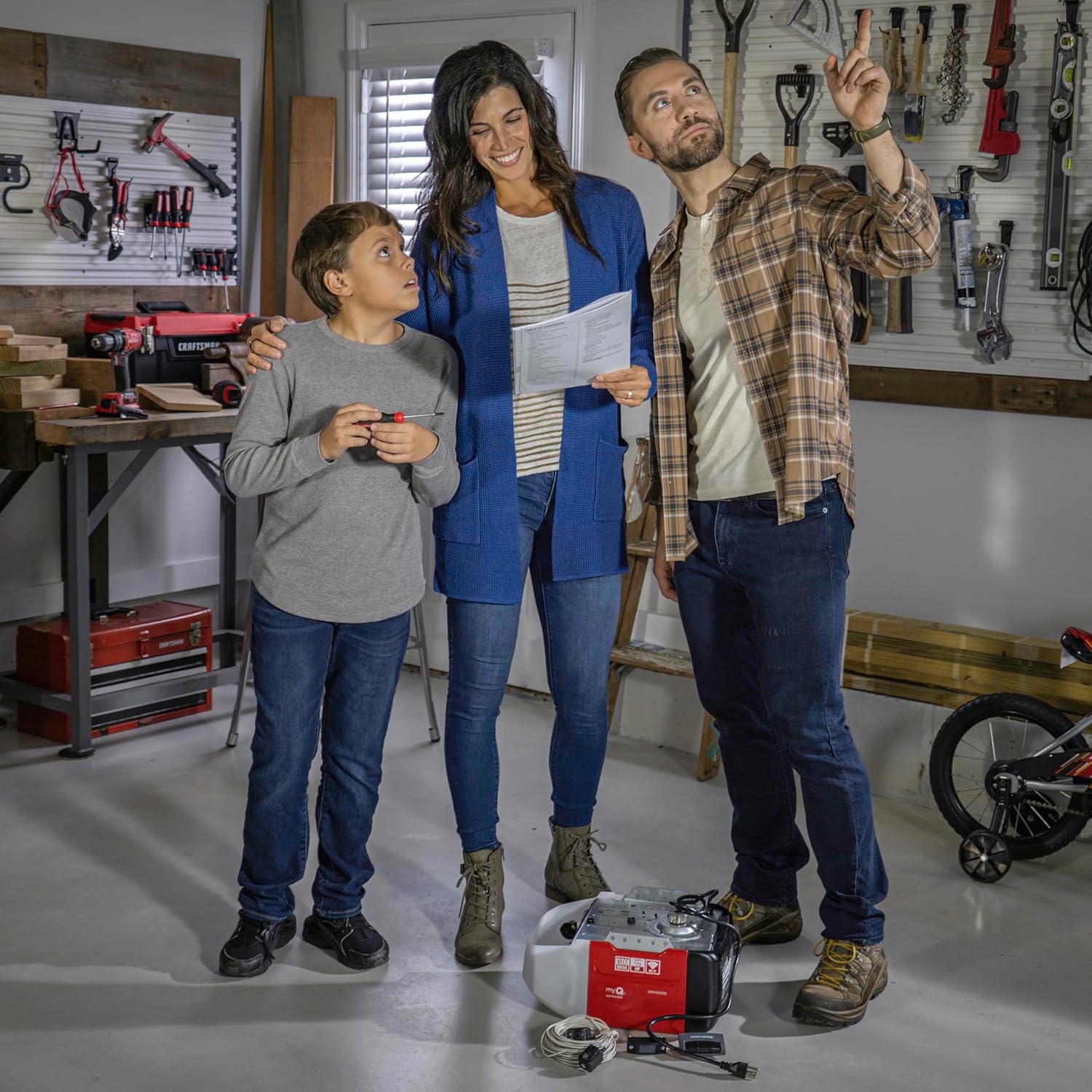
If you’re moderately handy, you can install this opener in a weekend with common tools, though a second person helps. The Bluetooth setup reduces configuration time, and the rail assembly and belt tensioning are straightforward with the included hardware and manual.
What to expect during installation
You’ll mount the motor to the ceiling, assemble the rail, attach the belt and trolley, and wire the wall control and sensors. Verifying door balance before installation will make the process easier and prevent undue stress on the unit.
Professional installation considerations
If you don’t want to handle electrical or structural work, hiring a professional installer ensures correct mounting, safe sensor alignment, and optimal tensioning. Professionals can also help configure smart features and troubleshoot any Wi‑Fi issues during setup.
Wall control and remote programming
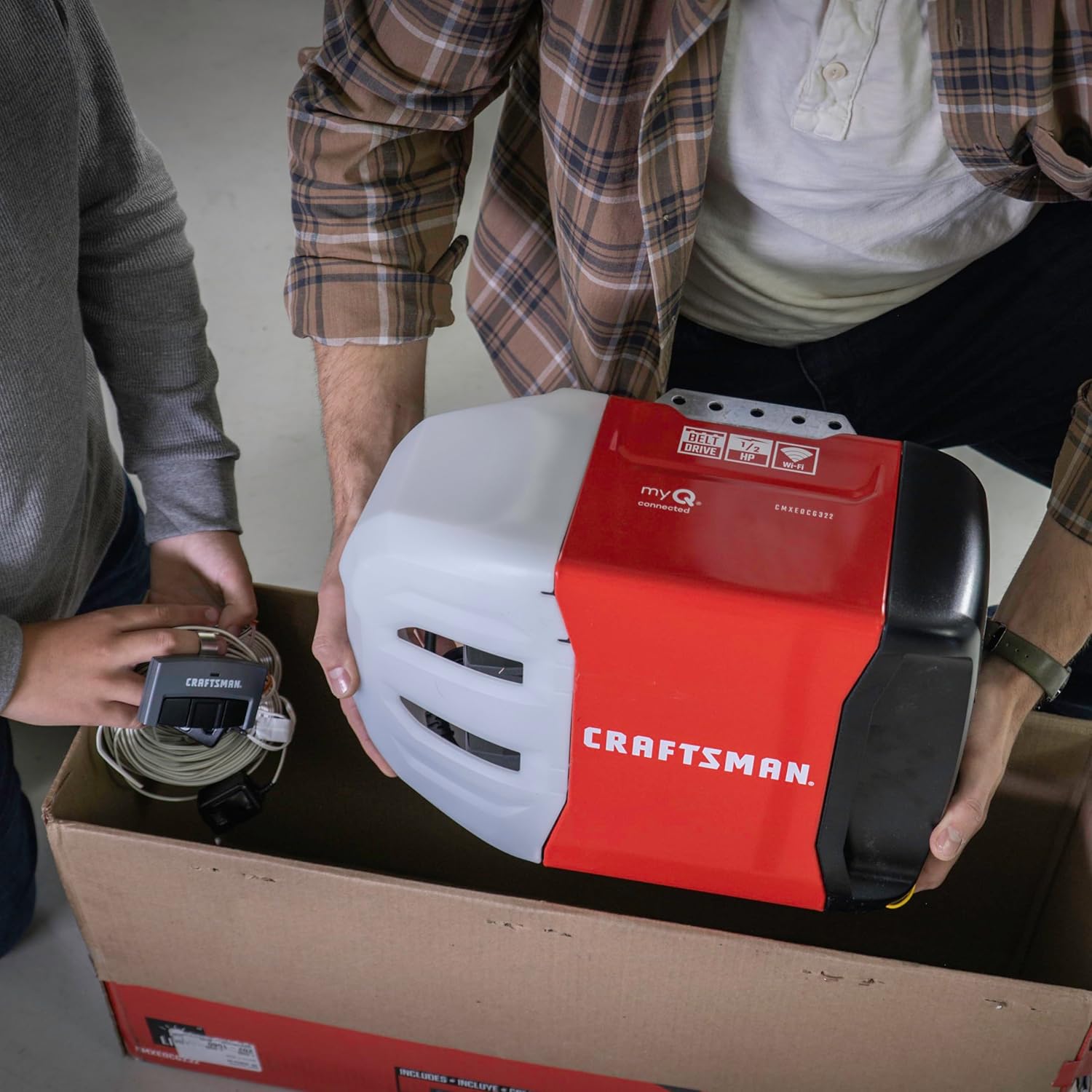
The included wall control is simple and accessible, and the 3-button remote offers multiple opener control. Programming the remote is typically a short process that’s documented in the manual and assisted by Bluetooth.
Using the wall control
You’ll find the single-button wall control convenient for in-garage operation; it also usually includes a light control button. Mount it near the entry door to the house for quick access.
Remote features and range
The 3-button remote can control up to three separate openers, which is handy if you have multiple doors or want to operate another gate or garage. The manufacturer’s stated range is up to 1,500 feet under ideal conditions; real-world range depends on obstacles, battery strength, and interference.
Noise levels and suitability for attached garages
Because of the belt drive, you’ll notice reduced noise and vibration compared with chain systems. That makes this opener especially suitable for attached garages where quieter operation matters to avoid disturbing household areas.
Practical noise expectations
You should expect a quiet hum and minimal vibration through the ceiling when the door operates, rather than bangs or metallic clanks. If quiet operation is a priority, this belt-driven model will most likely meet your expectations.
Reducing remaining noise
Simple steps such as checking fastener tightness, ensuring the door rollers are in good condition, and mounting the opener on vibration-isolating brackets can further reduce any minor noise you hear.
Remote range and everyday convenience
The convenience of a long-range remote and smartphone control changes daily habits; you’ll be able to open your garage without leaving the driveway and monitor operations offsite. Those small conveniences add up to less hassle when managing deliveries, guests, or everyday use.
Practical day-to-day scenarios
You’ll use the remote for morning exits and evening returns, while the myQ app covers remote checks or letting someone in without sharing a physical remote. The wall control keeps the basics accessible when you’re working in the garage.
Backup access options
Make sure you have a plan for power outages: many openers include a manual release cord or can be paired with battery backup modules (sold separately on some models). Confirm the availability of an emergency manual release and a battery backup option if outage resilience matters to you.
Maintenance and long-term reliability
Routine maintenance—inspections, sensor alignment, and occasional belt condition checks—will keep the opener running well for years. A belt drive typically needs less lubrication and fewer adjustments than a chain drive, so you’ll spend less time on routine upkeep.
Recommended maintenance tasks
You should check the door balance annually, inspect the belt for wear, tighten any loose hardware, and clean or replace batteries in remotes when needed. Also verify the safety sensors are aligned and unobstructed to maintain safe operation.
Parts and support considerations
CRAFTSMAN and myQ ecosystems tend to have accessible replacement parts and online resources, but you should verify local parts availability. Keep installation instructions and model numbers in a safe place for future reference or when ordering parts.
Comparing this opener with similar models
You’ll notice differences in power, noise, and smart integration when comparing models. This CRAFTSMAN 1/2-HP belt-drive model balances quiet operation and smart features at a price point below some higher-powered or premium models.
Advantages over chain-drive openers
You’ll get quieter operation and typically smoother starts and stops compared with chain-drive openers. Chain drives can be more economical and may be preferred for very heavy doors, but they make more noise and can require more maintenance.
When a 3/4-HP or higher unit makes sense
If your door is oversized, heavily insulated, or used very frequently (commercial or multi-family settings), a 3/4-HP unit will give you faster cycles and longer life under heavy loads. If you’re unsure about door weight or usage patterns, consider having a pro assess before you commit.
Pros and cons summary
You’ll find this opener provides a quiet, smart, and reasonably powerful solution for most home garages. It combines modern conveniences (Wi‑Fi, Bluetooth, app support) with safety features and simple operation, while its main limitations relate to very heavy doors or advanced smart-home integration edge cases.
Pros
- Quiet belt drive suitable for attached garages.
- Built-in Wi‑Fi and myQ smartphone control for remote access.
- Integrated Bluetooth for faster setup.
- Security+2.0 rolling code for improved remote security.
- Safety reversing sensors for child and pet safety.
- Includes wall control and 3-button remote with claimed long range.
Cons
- 1/2 HP may be marginal for very heavy or oversized doors.
- Smart home integrations can vary—verify compatibility with your specific voice assistant or hub.
- Battery backup is not mentioned as included; you may need to purchase separately for outage protection.
Real-world usage scenarios
You’ll find this opener well suited for a family home with a single-car garage or standard double doors that are not unusually heavy. It’s particularly useful if you want app control for deliveries and remote access without a separate Wi‑Fi accessory.
Ideal household setups
If bedrooms are above or next to the garage, the belt drive reduces noise and keeps household activity quieter. You’ll appreciate the convenience of remote and app control when juggling kids, groceries, or frequent comings and goings.
Less ideal situations
If you have a heavy insulated door, a custom or oversized garage door, or a commercial application with very high cycles, this model might be underpowered and you should consider an upgraded unit.
Troubleshooting common issues
When problems occur, most are straightforward to diagnose and fix. The steps below give you practical, user-friendly troubleshooting for the most common hiccups.
Wi‑Fi connectivity hiccups
If the opener won’t connect to Wi‑Fi, first confirm your router’s 2.4 GHz vs 5 GHz bands—many openers require 2.4 GHz. Also check signal strength in the garage; using a Wi‑Fi extender or moving the router can resolve weak signals.
Remote or sensor issues
If the remote stops working, try replacing its battery and reprogramming it per the manual. For sensor problems, clean lenses and ensure they’re aligned and unobstructed; misalignment will prevent the door from closing.
Safety checklist before you start using it
You should perform a few checks to ensure safe operation: test the reversing mechanism, verify sensor alignment, and confirm remote buttons and app controls respond as expected. These quick steps will help you catch problems early and avoid risks to people or property.
Steps to verify safety
Place an object in the door path to confirm the door reverses on contact or when the beam is interrupted. Test the manual release cord to ensure you can operate the door manually in an emergency. Finally, review app alerts and permission settings to control who can operate the door remotely.
Accessories and upgrade options
You can extend functionality with accessories such as battery backup modules, additional remotes, keyless entry pads, and smart-home bridges if needed for broader integrations. Verify compatibility with the myQ ecosystem and CRAFTSMAN accessories before purchasing extras.
Battery backup and power resilience
If power outages are frequent in your area, consider an optional battery backup to keep the opener functioning during outages. Confirm whether the battery module is model-compatible and whether you’ll need a pro for installation.
Adding more remotes or keypad
You can add spare 3-button remotes or a wireless keypad for family members and guests. Programming typically involves a simple pairing routine documented in the owner’s manual.
Final verdict
You’ll get a quiet, modern garage door opener that fits many typical residential needs and improves daily convenience with smartphone control and Bluetooth setup. If your door fits within the intended 7-foot specification and isn’t unusually heavy, this CRAFTSMAN 1/2-HP belt-drive opener is a strong choice for attached garages and homeowners who want smart features without a more expensive high-power unit.
Who should buy it
You should buy this if you want quieter garage operation, smartphone access via the myQ app, and easier setup through Bluetooth. It’s a solid match for most single-family homes with standard doors and for anyone who values quieter operation near living spaces.
Who might look elsewhere
You might look at higher-horsepower or commercial-grade models if you have heavy doors, high-frequency cycles, or very large openings. Also, if you need guaranteed out-of-the-box compatibility with a specific home automation platform, double-check integration details before purchase.
If you want, you can tell me about your garage door (height, weight, whether it’s insulated, and whether your router reaches the garage), and I’ll help you determine whether this model is the best fit or whether another option would serve you better.
See Price & Buy CRAFTSMAN 1/2-HP Smart Belt Drive Garage Door Opener
Disclosure: As an Amazon Associate, I earn from qualifying purchases.