
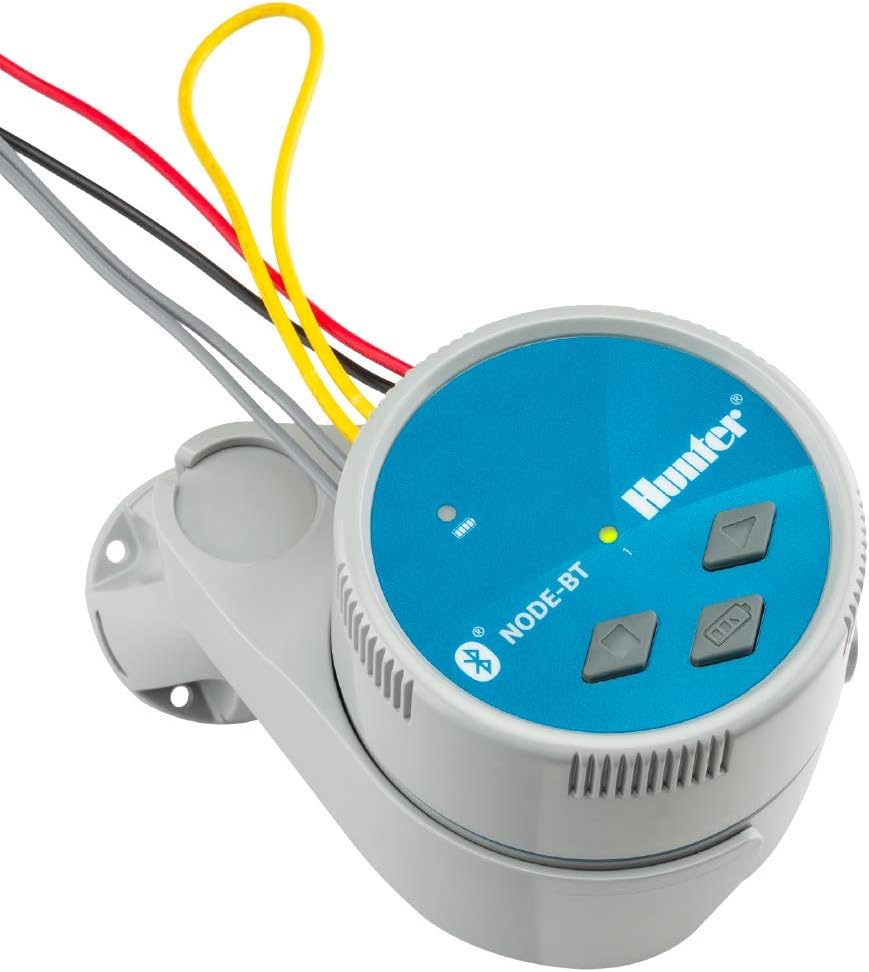
Are you looking for a battery-operated sprinkler controller that gives you wireless control, simple setup, and reliable weatherproof performance for your garden or greenhouse?
Buy Hunter NODE-BT-100-LS On Amazon
Quick overview of the Hunter NODE-BT-100-LS Bluetooth Battery Operated Sprinkler Controller, Waterproof Irrigation Timer, Easy Install, for Gardens, Lawns, Parks, Greenhouses (DC Solenoid Not Included)
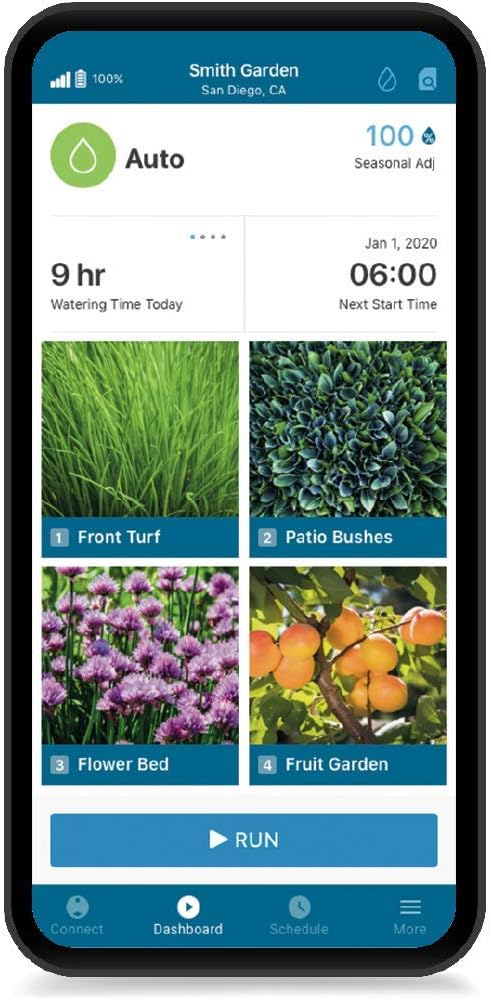
This product is designed to give you Bluetooth control of irrigation zones without running power to a controller. You can manage multiple controllers from a single smartphone and set flexible schedules without needing Wi-Fi or a subscription. It’s especially useful where wiring power isn’t practical, and it’s built to withstand outdoor conditions.
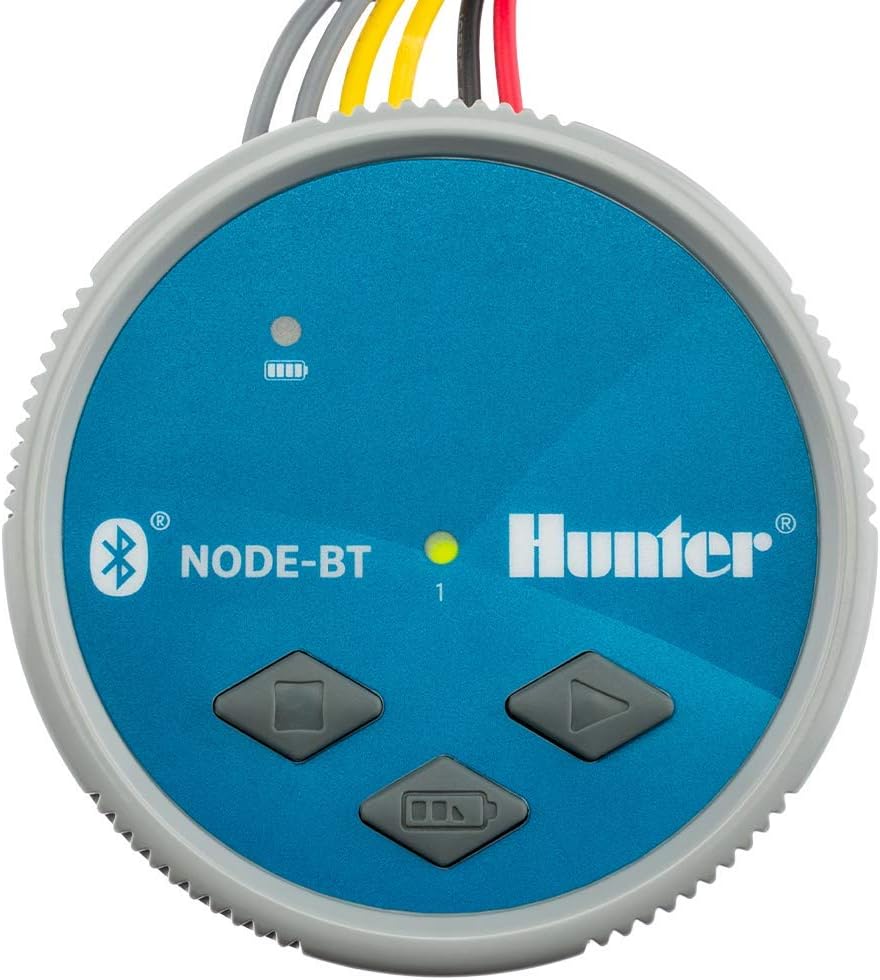
Hunter NODE-BT-100-LS Bluetooth Battery Operated Sprinkler Controller, Waterproof Irrigation Timer, Easy Install, for Gardens, Lawns, Parks, Greenhouses (DC Solenoid Not Included)
Key features at a glance
Below is a compact breakdown of the most important features so you can quickly understand what this unit does and how it might fit your needs. After the table, I expand on each feature with practical details.
| Feature | What it means for you |
|---|---|
| Bluetooth control (up to 50′) | You can program and run stations from your phone within about 50 feet line-of-sight—no network or internet required. |
| Manage unlimited controllers | One smartphone app can control many NODE units, so you can scale from a single garden to multiple sites. |
| Fully waterproof enclosure | The controller is designed to keep water out, which is critical in wet or damp outdoor locations. |
| Active station LEDs & battery-life LED | Visual indicators let you see which stations are running and when batteries need replacing. |
| 3 programs, 8 start times each | Flexible scheduling to handle different watering needs across zones and seasons. |
| Run times: 1 second to 12 hours | Extremely granular runtime control, useful for drip systems or very long soak cycles. |
| Suspend irrigation up to 99 days | Temporarily pause schedules for seasonal changes or extended rainy periods without deleting programs. |
| Manual push-button operation | Run a station manually without your phone—handy during installation or quick checks. |
| Soil moisture sensor compatibility | You can attach a sensor for smarter watering and LEED agricultural compliance. |
| Cycle and Soak feature | Prevent runoff in slopes or heavy soils by splitting long runtimes into cycles. |
| Monthly and global seasonal adjustment | Adjust watering across the board quickly without reprogramming each station. |
Bluetooth and connectivity
You get local wireless control rather than cloud-based access, so you don’t need Wi-Fi or cellular service. That means you retain control when you’re within the Bluetooth range and avoid ongoing subscription fees, but you’ll need to be physically nearby to make changes.
Because the range is listed as up to 50 feet line-of-sight, you’ll usually connect easily from your patio or driveway to a backyard unit, though walls or other obstructions will reduce that range. The app interface makes programming quick and intuitive, and the ability to manage unlimited controllers from one device is helpful if you maintain multiple properties or spread-out irrigation zones.
Purchase Hunter NODE-BT-100-LS Bluetooth Sprinkler Controller
Waterproof design and durability
The NODE-BT-100-LS features a fully waterproof enclosure to protect it from rain, sprinklers, and damp greenhouse conditions. This helps you avoid the need for extra weatherproof boxes or constant concern about moisture ingress.
Nevertheless, even waterproof enclosures perform better if mounted under some cover or in a location where direct high-pressure water streams don’t hit the face of the controller. Positioning it thoughtfully keeps seals happy and extends useful life.
Power and battery considerations
This controller is battery operated, so you don’t have to run electrical power to a box near the valves. That can save installation time and permit placement in remote or fenced areas. It uses standard batteries (follow the manual for exact type and quantity), and the battery-life LED gives you a visual cue that replacement is approaching.
Battery life depends on how often you run stations, how many solenoids you energize, ambient temperature, and battery quality. In many typical residential uses, you can expect months to a year of service before replacements are needed—but heavy use, frequent Bluetooth sessions, or cold climates can lower that. It’s smart to replace batteries seasonally or whenever the battery LED warns you.
Note: The listing states DC solenoid is not included, so you’ll need to ensure compatibility with your valve solenoids or purchase compatible DC latching solenoids if required.
Programming and scheduling flexibility
You can run three separate programs with up to eight start times each. That’s plenty for most residential setups: you can have a program for rotors, another for drip, and a third for specialty zones like a greenhouse bench.
Run times range from a single second to 12 hours, which gives you fine control for anything from brief pulse irrigation events to long soak cycles for large planters or water-hungry trees. The Cycle and Soak feature lets you split long run times into shorter cycles, reducing runoff on slopes and improving infiltration in compacted soils.
The Suspend function lets you pause watering for up to 99 days, which is handy when you’re traveling, facing an extended rainy period, or during winter dormancy. Monthly and global seasonal adjustments help you change run times by percentage across the entire controller, so you don’t have to edit every station when rainfall patterns shift.
Manual operation and LED indicators
When you don’t want to use your phone, the manual push-button operation lets you start or stop stations directly at the unit. This is helpful during installation, maintenance, or when you need to quickly test a valve.
Active station LEDs show you which stations are operating, and the battery-life LED signals when it’s time to swap batteries. These straightforward indicators remove guesswork and simplify ongoing maintenance.
Sensor support and compliance options
You can add a soil moisture sensor to the NODE-BT series for smarter irrigation control and to meet certain LEED or agricultural project requirements. A sensor helps you water only when the soil needs it and reduces waste.
Installing a compatible sensor gives you automation beyond time-based schedules and helps you adjust irrigation during wet spells or droughts without constant manual intervention.
Cycle and Soak, Seasonal Adjustment, and Suspend
Cycle and Soak prevents waste and runoff by breaking one long program run into a series of short runs with soak intervals between them. This is especially valuable with tight or sloped soils where water needs time to move into the root zone.
Global and monthly seasonal adjustments provide a fast way to increase or decrease run times by a percentage across all stations, which is a real time-saver during seasonal transitions. Suspend lets you stop watering for a set period up to 99 days without deleting programming—handy for winter or rainy seasons.

Installation and setup: what to expect
Installation is designed to be straightforward, especially compared to wired electric controllers. You’ll mount the unit near the valves, connect valve leads to the controller terminals, and insert batteries. Because the controller is battery-operated, you avoid mains wiring and can mount the box where it’s most convenient.
You’ll also download Hunter’s phone app (follow the manual for the exact app name or scanning code), pair over Bluetooth, and configure programs using an intuitive interface. The manual push-button gives you a fallback if you need to run zones while getting familiar with the app.
Practical tips for installation:
- Mount the controller on a flat surface at valve-box height or on a wall near the valve manifold.
- Keep it accessible for battery changes and inspection.
- Avoid placing it where sprinkler spray will constantly hit the face of the enclosure for extended durability.
- If using a soil moisture sensor or DC solenoids, verify compatibility before purchase.
Performance and real-world use
In real-world residential and light commercial settings, this controller performs well for the intended purpose: localized, battery-powered control. The Bluetooth connection is reliable within the advertised range, and the app provides a clear set of controls for programs, manual runs, and seasonal changes.
Battery life is usually adequate for typical household programs, but you should monitor the battery LED and change batteries proactively—don’t wait for a failure in the middle of summer. The waterproof enclosure means occasional direct moisture won’t immediately degrade performance, which you’ll appreciate in rainy seasons or in greenhouses with high humidity.
If you’re managing multiple NODE units across a property or several properties, the ability to control all of them from one app is a strong convenience factor. Just remember you’ll need to be within range of each controller to make changes unless you physically move between sites.
Where this controller fits best
This unit is great when you:
- Don’t have easy access to AC power near the valve box.
- Need a low-cost, no-subscription wireless control option.
- Want a straightforward install for small-to-medium irrigation systems.
- Use it in gardens, small lawns, parks, greenhouses, or remote irrigation off a single battery box.
It’s less ideal if you:
- Need remote access over the internet while you’re away from the property.
- Require integration with complex smart home ecosystems that rely on cloud services or voice assistants.
- Have extremely high-frequency irrigation cycles and prefer the reliability of AC-powered controllers for heavy use.
Pros and cons
Here’s a concise list to help you weigh the tradeoffs.
Pros:
- Wireless Bluetooth control without Wi-Fi or subscriptions.
- Battery operation avoids mains wiring.
- Waterproof enclosure for outdoor placement.
- Flexible programming (3 programs, 8 starts each, 1s–12h run times).
- Cycle and Soak and seasonal adjustments prevent waste and simplify management.
- Manual push-button operation and visible LEDs for easy testing and maintenance.
- Manage unlimited controllers from one phone for multiple sites.
Cons:
- Bluetooth range limits you to on-site control—no remote cloud access.
- Battery replacement required periodically.
- DC solenoid is not included — you may need to buy compatible solenoids separately.
- If you have many zones requiring heavy concurrent use, batteries may deplete more quickly.
- Walls, metal enclosures, and distance can reduce Bluetooth connectivity.
How it compares to other controller types
Compare the NODE-BT-100-LS to two common alternatives: AC-powered smart controllers and other battery Bluetooth controllers.
-
AC-powered smart controllers: These often offer cloud-based remote access, weather integration, and higher reliability for frequent use. However, they require mains power and typically higher installation costs. If you need remote control while away or voice assistant integration, an AC smart controller is better.
-
Other battery Bluetooth controllers: The NODE-BT is competitive with similar battery units. Its waterproofing, LED indicators, and cycle-and-soak features stand out. Price and battery life vary across brands, so look at build quality, app stability, and sensor compatibility when comparing.
Troubleshooting common issues
You’ll likely encounter only a few common issues. Here’s how to troubleshoot them.
Bluetooth pair/connect problems:
- Make sure you’re within range and in line-of-sight if possible.
- Close and reopen the app, toggle Bluetooth on your phone, or restart the phone if needed.
- Verify no other app is monopolizing Bluetooth.
- Ensure batteries are fresh—low battery can reduce functionality.
Valves not activating:
- Confirm valve leads are connected correctly to the controller terminals.
- Verify you’re using a compatible DC solenoid (remember the controller doesn’t include DC solenoids).
- Check batteries; low voltage can prevent valve energizing.
- Manually activate the valve at the station to identify if the issue is the valve or the controller.
Water ingress or humidity concerns:
- Check the sealing gasket and mounting position.
- Ensure the unit is securely closed and the lid screws fully engage.
- If exposed to constant irrigation spray, consider a small, simple shelter or mounting under eaves.
Programming oddities:
- Re-check start times and run durations for overlapping programs.
- Use global seasonal adjustment rather than editing each station when you want a system-wide change.
- Suspend irrigation during rainy periods to avoid unintended watering.
Maintenance checklist
A simple seasonal and periodic checklist keeps your system reliable:
- Inspect enclosure and seals for cracks or damage once or twice a year.
- Replace batteries annually or when the battery LED indicates low life.
- Test valves manually using the push-button or app before peak watering season.
- Check sensor wiring and functionality if you use a soil moisture sensor.
- Update the app on your phone to get the latest features and bug fixes.
Tips to get the most from the NODE-BT-100-LS
- Group zones intelligently: Put similar plant types or similar sun exposure zones on the same program to simplify scheduling.
- Use Cycle and Soak for long run times: On clay or compacted soils and slopes, breaking long runs into cycles reduces runoff and improves uptake.
- Monitor battery status seasonally: Replace batteries before peak season to avoid service interruptions.
- Use monthly/global seasonal adjustments: It’s faster and less error-prone than editing each station.
- Keep the unit accessible: You’ll be changing batteries, checking LEDs, and occasionally using the push-button manually.
- Add a soil moisture sensor: If you want more precise water savings and to meet certain compliance needs, a sensor is a strong addition.
Frequently asked questions
Q: Will I be able to control the NODE-BT-100-LS while I’m at work or on vacation?
A: No. Control is via Bluetooth only, so you must be within the device’s Bluetooth range to make changes. If remote control from anywhere is crucial, consider an AC cloud-enabled controller.
Q: How long do batteries last?
A: Battery life varies widely. Factors include how many valves you run, how often you use Bluetooth, and environmental temperature. Expect months to a year in typical residential usage, but monitor the battery LED and replace proactively.
Q: Can I use this with my existing solenoids?
A: The unit specifies the DC solenoid is not included, so you need compatible DC solenoids or check compatibility with your existing valve solenoids. Verify voltage and current specs before connecting.
Q: Is the enclosure really waterproof?
A: It’s rated as fully waterproof to protect against water ingress. However, avoid constant direct high-pressure spray and check seals periodically to maintain integrity.
Q: Can I use multiple soil moisture sensors?
A: The unit supports adding a soil moisture sensor for smarter control. If you need multiple sensors, check Hunter’s documentation for supported configurations or how sensors integrate with the app.
Q: Can I schedule drip irrigation and sprinklers on the same controller?
A: Yes. Use separate programs or stations for drip versus sprinkler zones to account for different run times and start times.
Who should buy this controller?
You should consider this controller if:
- You want a low-cost, no-subscription wireless controller for local, on-site management.
- You lack AC power at a valve location or want a clean, simple install without running mains wiring.
- You manage small-to-medium irrigation systems for gardens, greenhouses, parks, or lawns.
- You want sensor compatibility for smarter watering and potential LEED compliance.
If your main need is full remote management from anywhere or integration into complex home automation, you might choose a different model with internet connectivity.
Final recommendation
If you need a reliable, waterproof, battery-operated controller that gives you local wireless control and flexible programming, the Hunter NODE-BT-100-LS Bluetooth Battery Operated Sprinkler Controller, Waterproof Irrigation Timer, Easy Install, for Gardens, Lawns, Parks, Greenhouses (DC Solenoid Not Included) is a strong choice. It balances convenience and features like Cycle and Soak, seasonal adjustments, and sensor compatibility while avoiding the cost and installation complexity of AC-powered systems. Just remember that it’s designed for on-site Bluetooth control, so plan accordingly if remote access is essential.
If you’d like, I can walk you through a step-by-step installation checklist tailored to your property layout, or help you plan an efficient program schedule based on your plant types and soil. Which would you prefer?
Get The Hunter NODE-BT-100-LS On Amazon
Disclosure: As an Amazon Associate, I earn from qualifying purchases.